Paul Keen says… Estimates Are Only the Beginning
One of the questions I'm asked most often is, "How accurate are auction estimates?" The simple answer is that they are based on experience, research and current market trends, but they are never a guarantee. Once the auctioneer opens the bidding, it is the market that decides.
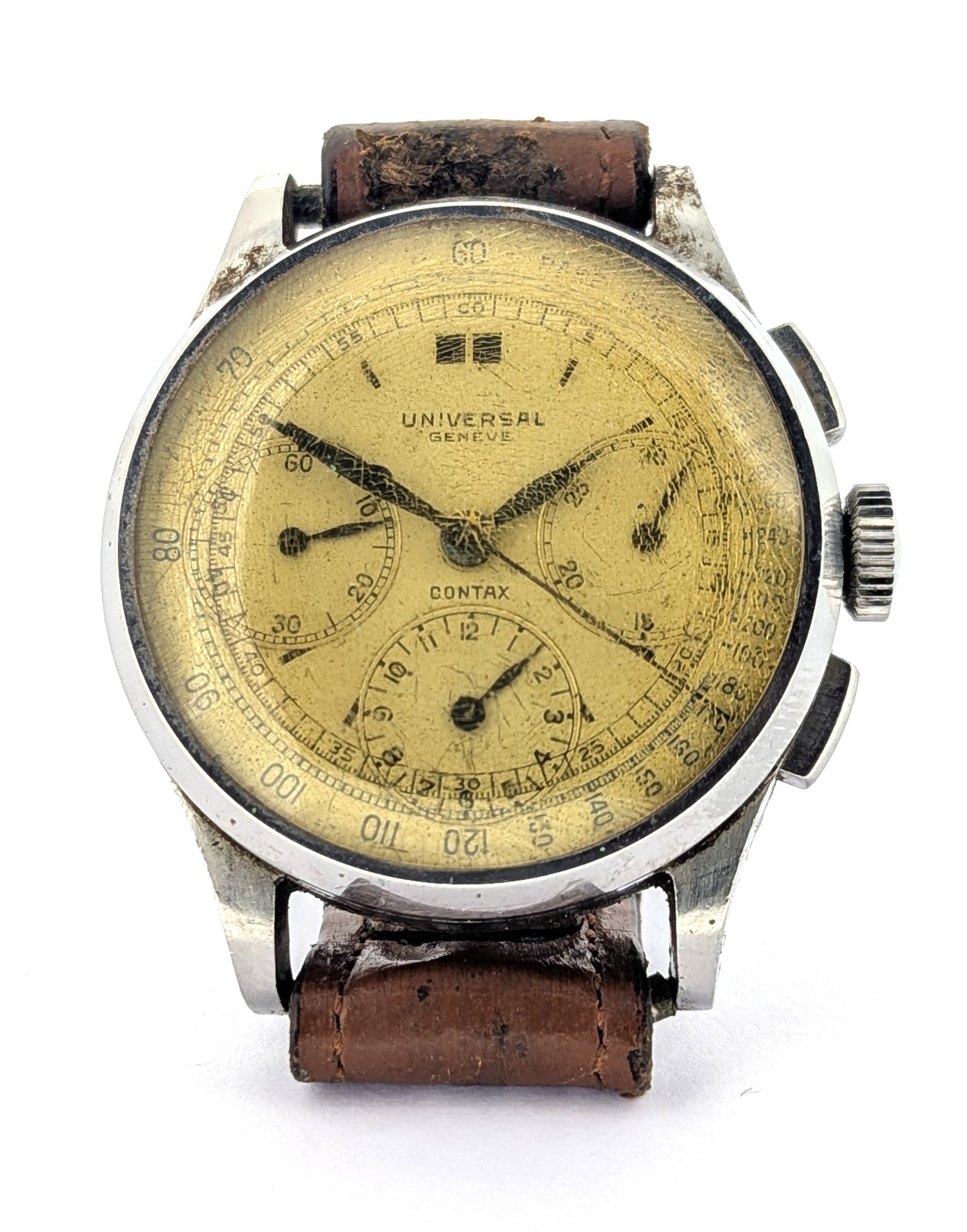
That was certainly the case in our recent Fine Art and Jewellery auctions, where several lots comfortably exceeded their estimates. One of the most dramatic examples was a rare 1936 Universal Genève Contax chronograph. Guided at just £300, specialist collectors quickly recognised its rarity and bidding gathered remarkable momentum before the hammer finally fell at £4,900.
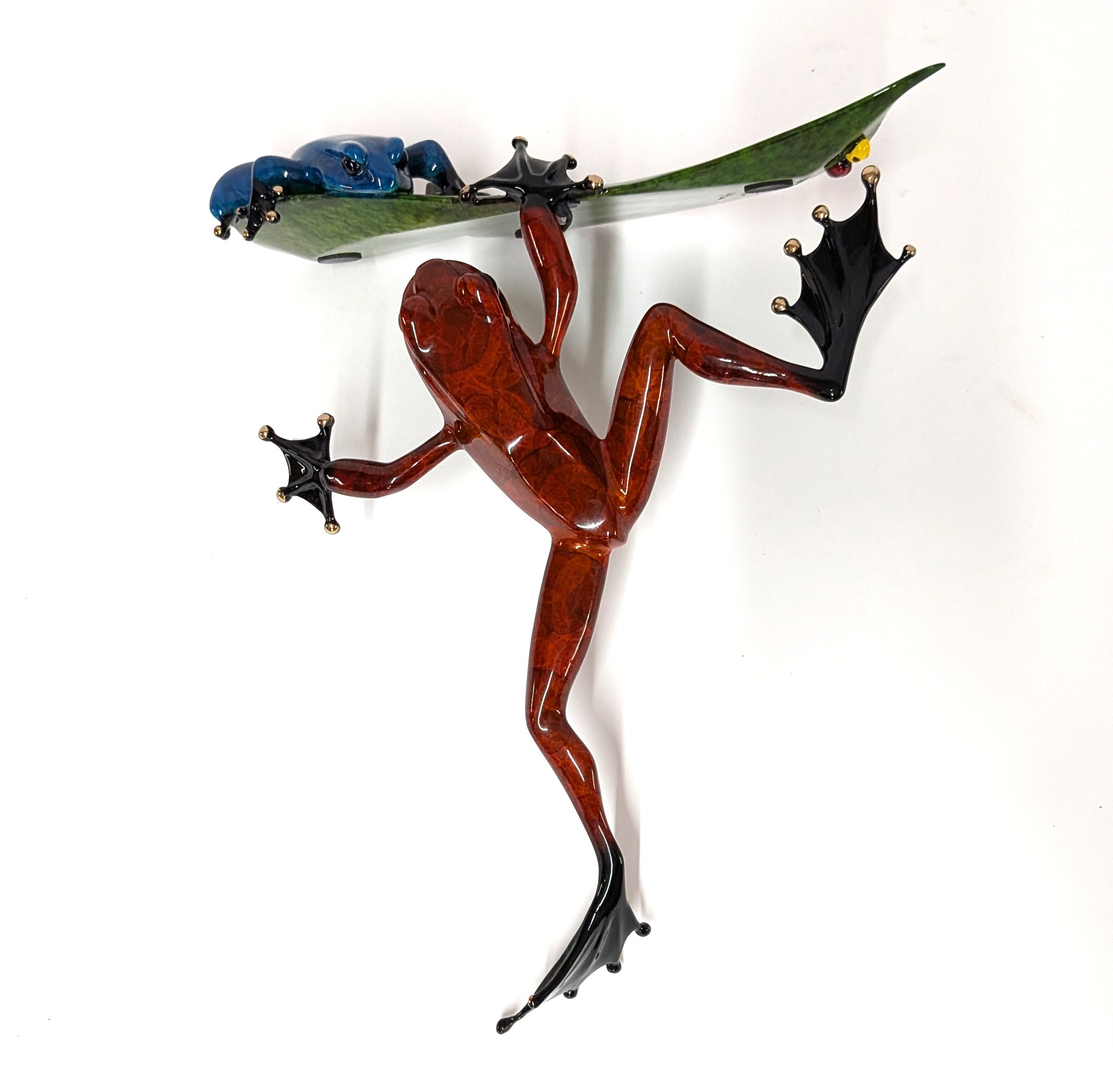
Paintings also produced their share of surprises. A charming floral still life by Royal Academician Olwyn Bowey, purchased directly from the artist and accompanied by excellent provenance, attracted determined competition before selling for £2,800. Meanwhile, contemporary sculpture continued to demonstrate its appeal, with Tim Cotterill's colourful bronze Cliff Hanger comfortably outperforming its estimate to achieve £880.
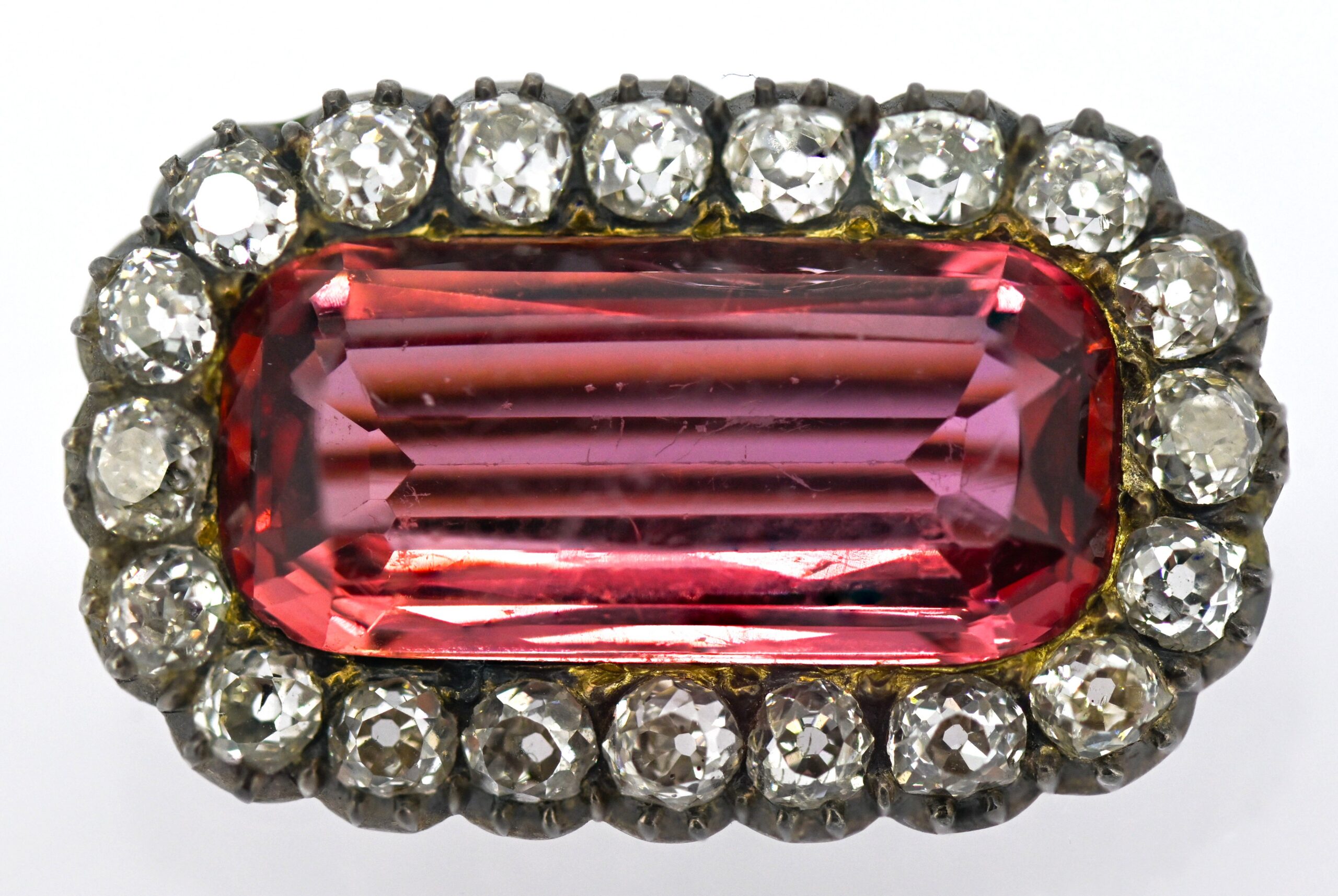
The same pattern emerged in the jewellery auction. An elegant late Victorian brooch, centred on an impressive 11-carat pink tourmaline and surrounded by old mine-cut diamonds, carried a modest estimate of £400. It clearly struck a chord with bidders, climbing steadily before the hammer finally fell at £6,200.
Results like these are a timely reminder that an auction estimate is simply the starting point. Whether it is a rare watch, a painting with impeccable provenance or a beautiful piece of antique jewellery, it is ultimately the enthusiasm of collectors that determines the final price.
Captions
PXL The rare Universal watch that soared past its estimate.
225 – Thus impressive brooch created a real bid battle at this week’s auction.
258 a charming painting by Olwyn Bowey
242- The Frogman Sculpture- the new collectable.